
Background
Based in Salzbergen in Germany’s Emsland region, Bültel Fashion Group was founded in 1964 by Bernard and Hermann Bültel. The group consists of three brands, and camel active is the largest by range and revenue. Bültel holds the master license for this brand in Europe.
The company manages the entire supply chain in-house. Product development, order placement with suppliers in Asia, outbound logistics and its own online shop are all run from Salzbergen. Products are sold through brick-and-mortar fashion retailers, the company’s own stores and outlets, and marketplaces such as Amazon, About You and Zalando.
The project with paretos focuses on the never-out-of-stock range: basics such as white and black T-shirts, leather belts and denim that should always be available. The range covers around 1,700 to 1,800 SKUs, and the lead time from order to goods receipt is about six months.
Challenge
Replenishment was primarily managed in Excel, based on historical figures and experience. Order books, inventory levels and production orders had to be merged manually for every planning cycle. On average, around 10 percent of product variants were temporarily unavailable. This resulted in lost revenue for precisely those items that were supposed to be consistently available, while simultaneously leading to high safety buffers and, consequently, tied-up capital.
The shift from pure wholesale to an omnichannel business made things harder, as demand profiles became far more varied. The data was also not set up for AI-supported planning at first. Inventory history was not kept at SKU level, there was no predecessor-successor logic, and a custom-built ERP system ran in the background. In the paretos data check at the start of the project, Bültel scored 17 out of 30 points.
"When it comes to our data, I wouldn’t necessarily have said we were ready for an AI project. We still have a bit of work to do there."
 Tim SeifertSenior BI Manager, Bültel
Solution
Bültel and paretos made data maturity part of the project rather than a prerequisite for it. Instead of years of preparation, the teams worked iteratively from day one: filling data gaps, improving forecasts, incorporating business knowledge, and repeating the process.
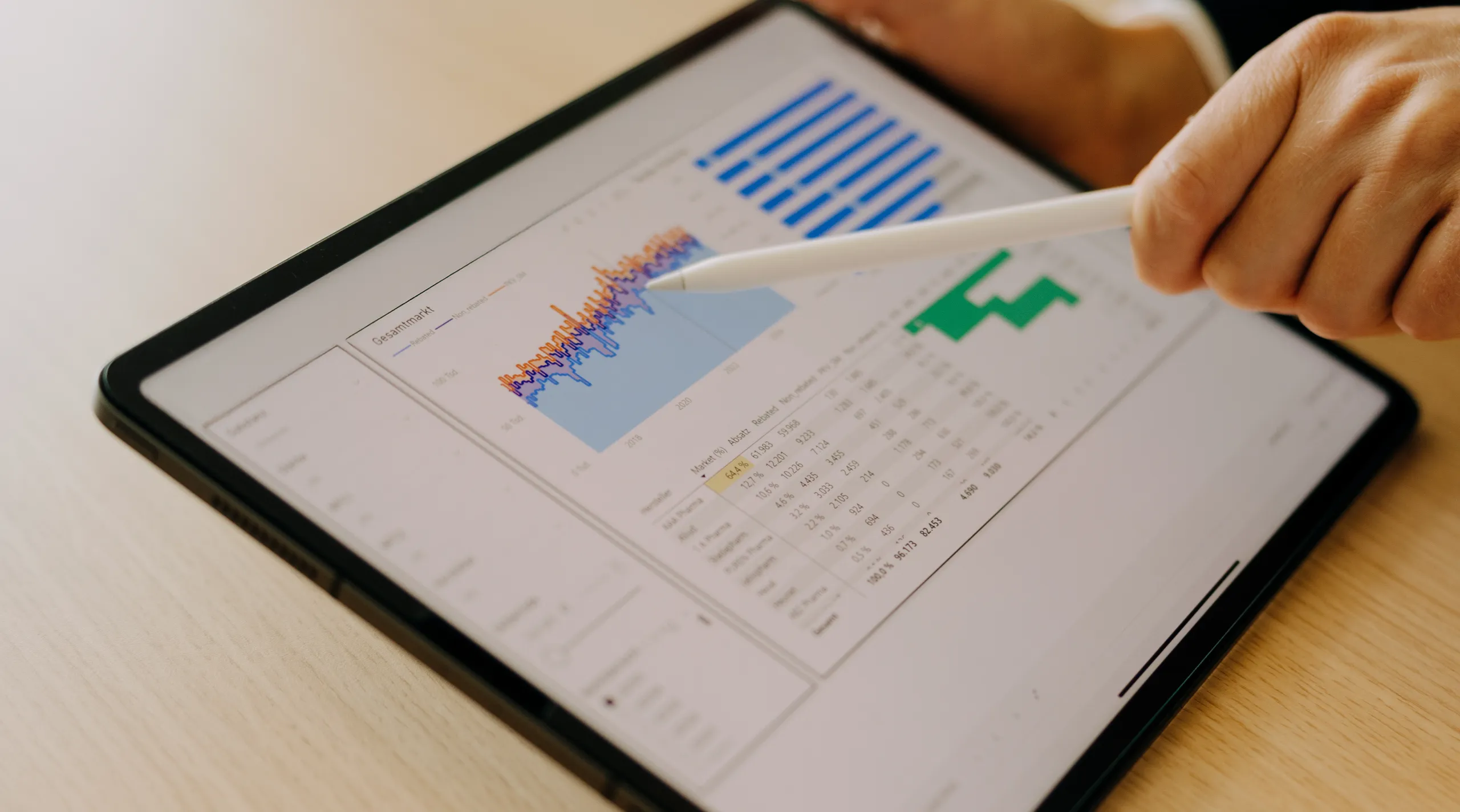
At its core are two building blocks. An AI-powered demand forecast at the individual SKU level maps demand across all channels, with a 12-month horizon. This forms the basis for dynamic optimization of ordering decisions, which takes into account minimum order quantities, lead times, and service level requirements. Planners work in a planning view of Socrates, paretos’ AI system, that is tailored to the customer. Socrates calculates order recommendations in each cycle using the same methodology, and the final decision remains with the purchasing department. Via chat, planners can ask at any time, using natural language, how an order recommendation and the underlying forecast were derived. They receive answers citing sources from their own systems, including responses to any additional data questions they need to assess an order.
From an organizational perspective, Bültel’s business unit and BI team were the key partners. Both sides reconstructed how a single figure in the system is derived. It was precisely this detailed work that improved data quality and embedded an understanding of the company’s own data throughout the organization. Today, data transfer to paretos is fully automated.
Results
Around a year and a half after the project started, it is clear that the classic trade-off in replenishment can be resolved: Bültel has less inventory and fewer stockouts at the same time. The stockout rate in the basics range has dropped from around 10 to about 6 percent, a reduction of about 40 percent. Inventory in this range is 12 percent lower. Capital that used to be tied up in safety buffers has been freed up.
The forecast itself has also become more reliable. The twelve-month horizon allows more precise briefings for suppliers and new order rhythms, for example three batches of 1,000 units each instead of one order for 3,000 units. The system also delivers recommendations that would have turned out differently based on gut feeling, for example significantly higher quantities in fringe sizes.
The planning process has changed fundamentally. Around 10 hours of manual work per week are no longer needed, and replenishment is no longer an Excel exercise. Trust in the recommendations is high, the system is firmly embedded in day-to-day operations, and no one on the team wants to go back. One lasting gain concerns the data itself: lead times, inventory logic and order data have become cleaner in several places, inventory history is now kept at SKU level, and the predecessor-successor logic has been added.
"Today we’re at the point where we have our demand almost at the push of a button, and we can then pass it on into production orders. We tried to measure it, and we’re talking about roughly 10 hours a week that we save."
 Sebastian TimpeHead of Brand Operations, Bültel
Outlook
The next goal is to bring the stockout rate down further to about 3 percent and to reduce inventory value further.
Beyond this, Bültel and paretos are looking at putting further processes along the chain on the same basis, such as pre-orders, delivery dates or floor-space management. In the long term, the first use case is to grow step by step into an AI system for the entire planning process: first by making the data foundation already in place available to other departments, then by optimizing planning there as well. Because each new use case builds on what already exists, the value grows with every step. There are also plans to open Socrates to other departments beyond buying, so they can ask questions of their own data directly, for example on delivery reliability or forecasts.
Results at a glance
- 01
Higher availability
Stockouts in the basics range reduced from approx. 10 to about 6 percent.
- 02
Less tied-up capital
12 percent lower inventory. Capital from safety buffers has been freed up.
- 03
Less planning effort
Around 10 hours of manual work per week are no longer needed.
- 04
Stronger supply chain
Twelve-month forecast for more precise supplier briefings and more flexible order rhythms.
- 05
Transparent recommendations
Every order proposal can be explained. The decision stays with people.
- 06
Stronger data skills
Cleaner master and transaction data. This gain stays in-house.